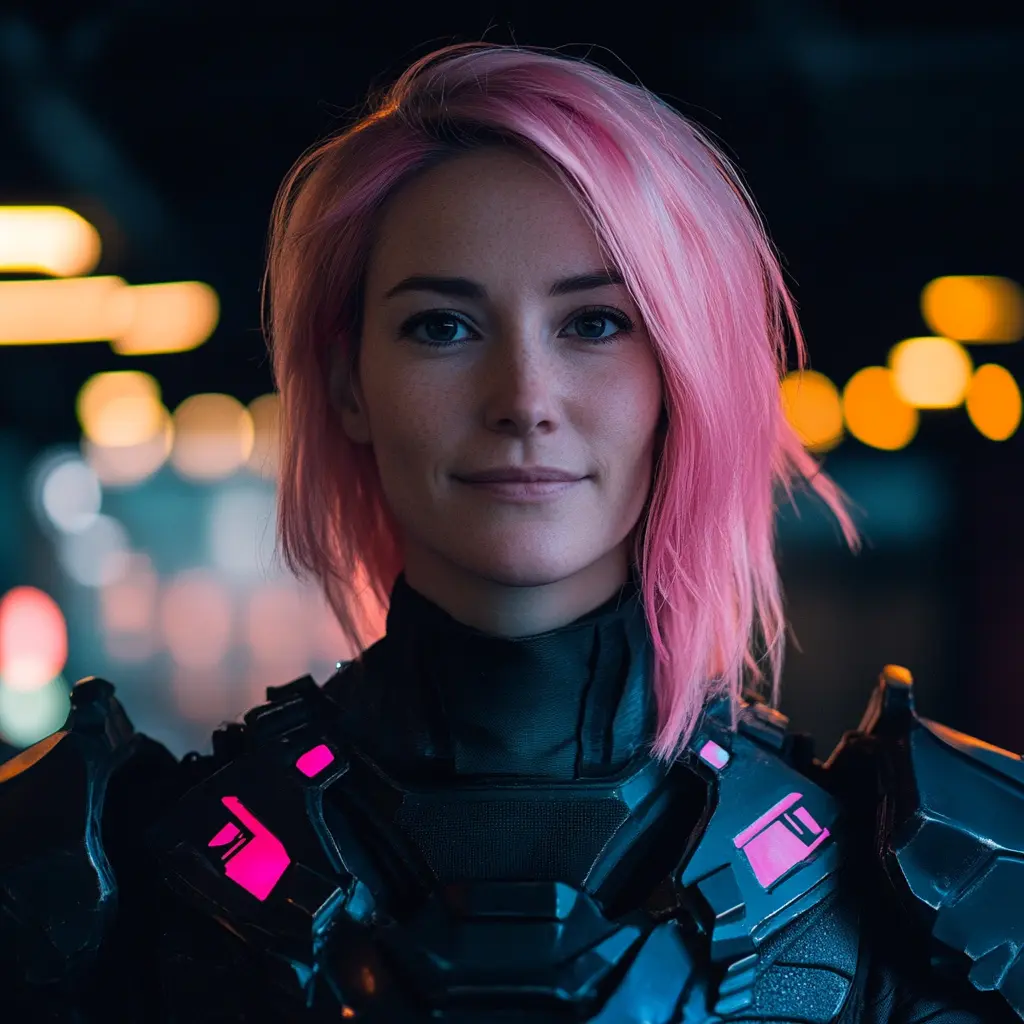

As AI tools continue reshaping everything from productivity to entertainment, one area getting increased attention is adult content. But along with that attention comes confusion and controversy. The rise of deepfake abuse has sparked global concern, leading many to believe that all AI-generated erotica is dangerous by default. That assumption couldn’t be further from the truth.
Not all AI is the same. And not all adult content created with AI should be treated the same, either.
There’s a clear and important line between tools used to violate consent and platforms that prioritize safety, fiction, and user autonomy. That distinction is especially important in the world of adult image generation, a growing field built on imagination, not impersonation.
What Is Adult Image Generation?
Adult image generation refers to the use of AI tools to create fully fictional erotic visuals. These platforms allow users to generate characters, poses, outfits, and settings based entirely on written prompts or tagging systems. The images are synthetic. No real people are involved. No faces are copied. No likenesses are stolen.
For users, this opens up a private, ethical space for exploring fantasy. You don’t need actors. You don’t need anyone’s permission because the content isn’t about real people. It’s about personalized creation in a closed, safe system.
That safety is the point. Ethical AI platforms have strict generation filters, blocked keyword lists, and zero upload functionality. Their goal is simple: to let users explore intimacy without risking harm to anyone else.
Deepfakes vs. Ethical AI Erotica: Why the Difference Matters
It’s easy to lump all AI adult content into one category, especially when headlines focus on Deepfake scandals. But there’s a crucial difference between tools built for fictional self-expression and those used to exploit real people.
Deepfakes rely on copying. They superimpose real faces onto sexual content without consent. This erases boundaries and causes real-world harm, especially to women, public figures, and minors. Victims often find their faces on explicit content they never agreed to, and the emotional fallout can be devastating. Even when content is taken down, the digital footprint remains.
Ethical AI erotica, on the other hand, is designed from the ground up to be safe. Characters are fully synthetic. Real names and photos are never used. These systems avoid impersonation entirely. They generate content from scratch and include clear disclaimers that everything is fictional.
This isn’t a small difference; it’s a fundamental one. One side is a tool for abuse. The other is a framework for privacy, creativity, and consent.
The Tech That Makes It Safe
Behind ethical image generators are powerful technologies like diffusion models and prompt-guided synthesis. These models let users describe a scene in plain language down to the mood, style, or lighting and the AI produces an image from scratch.
But tech alone isn’t what makes it ethical. It’s the rules around that tech.
Responsible platforms block real names from being used in prompts. They don’t allow image uploads. Their generation tools are trained not on real faces, but on stylized visual data that ensures no person can be mimicked. Negative prompts help users filter out unwanted traits, and moderation tools remove anything that crosses the line.
It’s not about what the AI can do; it’s about what it’s allowed to do. Boundaries are built into the platform by design.

Why This Matters for Users and Developers
The future of AI erotica depends on trust. That means designing systems that offer customization without crossing ethical lines. When done right, adult image generation can serve people who have long been underserved, those with niche interests, diverse body preferences, or alternative identities.
It’s not just about desire. It’s about representation, imagination, and safety.
For developers, this is an opportunity to lead by example. Ethical platforms prove that you can offer powerful features without enabling abuse. Creating fictional content isn’t just safer, it’s smarter. It avoids legal gray areas, respects consent, and opens the door for a more inclusive adult media landscape.
Looking Ahead: Consent Is the Standard, Not the Exception
The conversation around AI and adult content is still evolving. But if we want to move forward responsibly, we have to stop treating all synthetic media the same. Deepfakes are a violation. Ethical adult AI tools are something else entirely.
They offer users a chance to explore fantasy in a space that is private, fictional, and harm-free. They don’t exploit. They empower.
As lawmakers, platforms, and users navigate this new terrain, one thing should be clear: the goal isn’t to ban AI erotica, it’s to shape it. Ethical adult image generation isn’t just possible; it’s already happening. And it deserves protection, not panic.
Because when fantasy is created without stealing someone’s face, voice, or identity, that’s not a problem. That’s a solution.